
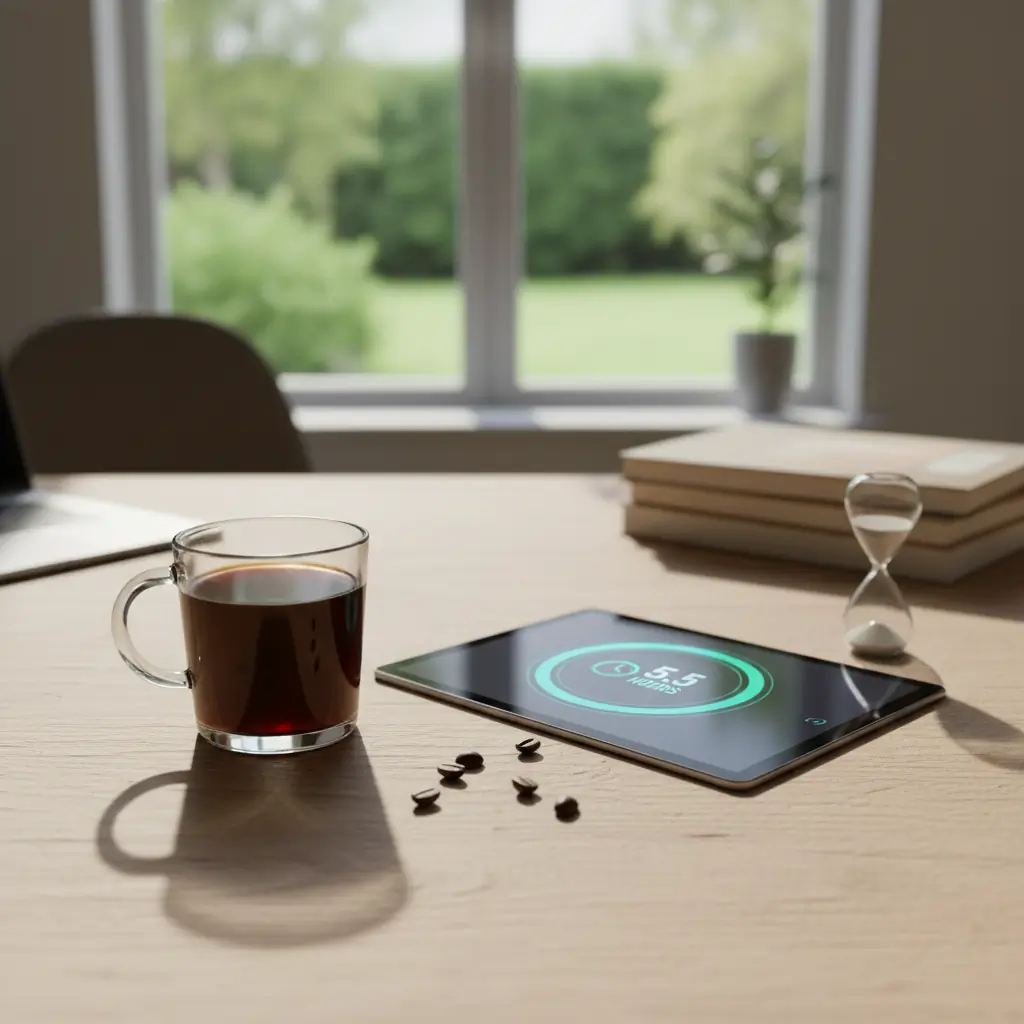
Aim to know the method by which long that. coffee Hum will terminate — . The Caffeine Half-Life Calculator can help you understand. How much caffeine is in your network and understanding how it affects you — this clause explains. What caffeine half-life is, and the strategy for use. caffeine half-life calculator, and the system to enhance your. Caffeine intake for breaks, sleep, and energy.
Caffeine Half-Life Calculator
Elapsed Time: 0 hours
Active in System: 0 mg
Sleep Tip: Experts recommend having less than 50mg of caffeine in your system before trying to sleep.
Disclaimer: This tool provides an estimate based on average metabolic rates. Individual metabolism can vary significantly due to genetics and liver function.
What is Caffeine Half-Life? Understanding the Basics
Understanding caffeine half-life is key to managing your. Caffeine intake effectively. The American average caffeine Consumption is. 200mg daily, still, individual responses vary. This section breaks down the basics.
Definition of Caffeine Half-Life
Caffeine half-life is the fourth dimension: the time it takes for your body to reduce caffeine concentration. Caffeine is in your bloodstream by one-half. As an example, as long as you consume. 100mg of caffeine at 8 AM, after one. Caffeine half-life: around 1 PM, you’ll have about. 50mg Unexhausted — after another 5 hours, around 6 PM, about 25mg Will still be active. elimination rate varies — factors like. Genetics, liver function, and medications influence the rate at which your body breaks down. process caffeine . The calculator helps figure. caffeine levels .
Read More: Ceramic Glaze Batch Calculator
Why Caffeine Half-Life Matters: Sleep, Anxiety, and Performance
Knowing your. Caffeine half-life Matters for several reasons. It impacts you. Sleep if you consume. Caffeine, unduly late in the day, can interfere with your ability to fall asleep and stay asleep, leading to. Insomnia affects. anxiety . Caffeine can trigger or worsen. Anxiety symptoms in some dwellers. It influences your public presentation — discernment. How much caffeine you have in your system can help you fine-tune your. Caffeine intake for prime mental and physical operation. Adenosine receptors in your brain are affected by. caffeine . The Central Nervous System (CNS) is stimulated by. Caffeine, many aim to. improve sleep quality .
Caffeine Half-Life Calculator: Personalized Dosage & Timing
A Caffeine Half-Life Calculator helps you personalize your. Caffeine Dosage and timing for optimal results. The caffeine calculator can help you work out how much caffeine you have. How much caffeine is in your arrangement at a given fourth dimension?
How to Use the Caffeine Half-Life Calculator: A Step-by-Step Guide
Using . The caffeine half-life calculator is straightforward — follow these steps.
-
- Enter the amount of. The caffeine you consumed, in milligrams (mg).
- Specify the time you consumed . caffeine .
- Present any relevant individual factors, such as your age, weight, gender, and medications.
- Click to work out to see your estimated. Caffeine levels over the fourth dimension.
Calculator Inputs Explained: Dosage, Time, and Individual Factors
The caffeine half-life calculator uses the provided inputs to estimate your. caffeine levels . The dosage is the amount of. The caffeine you consumed. Time is the fourth dimension you ingested . Caffeine: Individual factors include.
-
-
- Age: Age affects caffeine metabolism .
- Weight: Body weight influences caffeine concentration.
- Gender: Gender differences in caffeine processing exist.
- Medications: Some. medications that interact with. caffeine .
- Health Conditions: Underlying. health risks affect caffeine metabolism .
-
Interpreting Your Results: Caffeine Levels Over Time
The caffeine half-life calculator provides an appraisal of your. Caffeine levels over clock time. It shows the method by which you. Caffeine levels decrease in your body. Process caffeine. This information can help you.
-
-
- Skip consuming. Caffeine, immediately close to bedtime.
- Manage anxiety symptoms.
- Enhance your. Caffeine intake for peak performance.
- Predict caffeine effects.
- Determine caffeine duration.
-
Visualizing Caffeine Levels: Interactive Chart
Some caffeine half-life calculators present an interactive chart that visualizes your. caffeine levels Over clip — . An interactive clearance graph helps you understand how your body is paced. Process caffeine. This chart can be a valuable tool for directing your. Caffeine intake and avoiding unwanted personal effects.
Common Sources of Caffeine and Their Impact
Caffeine is based in diverse sources, each with its own influence on you. caffeine levels Knowing . The caffeine content of common sources helps you run your. Caffeine intake is better.
Caffeine Content in Popular Drinks (Coffee, Tea, Energy Drinks, Soda)
Here’s the approximate. Caffeine content in fashionable drinks.
-
-
- Coffee : A typical 8-ounce cup of. Coffee contains around 95-200 mg of. caffeine .
- Tea : An 8-ounce cup of. Tea contains about 30-70 mg of. caffeine .
- Energy Drinks : A 16-ounce. An energy drink can contain 70-300 mg of. caffeine .
- Soda : A 12-ounce can of. Soda typically contains 30-40 mg of. caffeine .
-
Caffeine in Food and Medications (Chocolate, Pain Relievers)
Caffeine is also established in food and medications :
-
-
- Chocolate : A 1-ounce serving of dark chocolate contains about 12 mg of. caffeine .
- Pain Relievers : Some pain relievers contain caffeine to enhance their effectiveness.
- Hidden Sources : Be more aware of others. hidden sources .
-
Hidden Sources of Caffeine You Might Not Know About
Beyond the usual suspects. Caffeine can be arranged in surprising places.
-
-
- Some over-the-counter medications.
- Specific protein parallel bars and snacks.
- A few flavored waters.
- Some gums and candies.
-
Continually check labels carefully, so long as you’re sensitive to them. Caffeine, or trying to direct your. caffeine intake .
Factors Influencing Caffeine Half-Life: It’s Not the Same for Everyone
Caffeine’s half-life isn’t fixed; it varies significantly from person to person. This is owing to the fact that. Some people process caffeine faster, while others process caffeine more slowly. Individual variation is the key.
Genetics and Caffeine Metabolism: The CYP1A2 Gene
Genetics plays a significant role in caffeine metabolism . The CYP1A2 gene encodes an enzyme that breaks down blue. Caffeine in the liver. Variations in this gene can affect your procedure. process caffeine . Genetic polymorphism affects caffeine metabolism . Genetic predispositions impact caffeine half-life .
Age and Caffeine Sensitivity: From Infants to Seniors
Age also influences. Caffeine sensitivity. Infants and infantile children are more sensitive to caffeine. Caffeine in adults. Seniors may as well experience an increase. Caffeine sensitivity is affected by age-related changes in liver function.
Liver Function and Caffeine Breakdown
The liver is the chief organ responsible for. Caffeine breakdown: Conditions that affect. Liver function, like. Liver enzyme disease can be slowed down. Caffeine metabolism and boost. caffeine half-life . Hepatic caffeine processing is vital.
Medications and Supplements That Interact with Caffeine
Certain medications and supplements can interact with each other. Caffeine affects its. Half-life, for example, some antibiotics and antidepressants can slowly disperse. Caffeine metabolism, even though others can speed it up. Incessantly consult with your doctor or pharmacist about future interactions.
Pregnancy and Breastfeeding: Caffeine Considerations
Pregnancy can significantly affect. Caffeine metabolism. Pregnant women typically have a longer. Caffeine half-life: caffeine stays in their system longer. Pregnancy caffeine Considerations are vital. Caffeine half-life during pregnancy is a concern. The Food and Drug Administration (FDA) provides guidelines.
Smoking and Caffeine Metabolism
Smoking can increase the body’s processes. CYP1A2 Enzyme, leading to faster. Caffeine metabolism. Smokers may demand to consume more. Caffeine can produce the same effects as smoking.
Gender Differences in Caffeine Processing
There are. gender differences in caffeine processing. Women generally metabolize caffeine. Caffeine is absorbed more slowly than in men, especially when taken. oral contraceptives .
Optimizing Your Caffeine Intake for Better Sleep and Energy
Mastering your. Caffeine intake can lead to better. Sleep and sustained. energy throughout the day.
Strategies for Managing Caffeine Consumption
Here are some strategies for. managing your caffeine intake :
-
-
- Track your. Caffeine intake to watch. How much caffeine are you consuming?
- Sidestep consuming. Caffeine, late in the day.
- Choose lower-. caffeine alternatives.
- Stay hydrated. Dehydration can make it worse. caffeine’s effects.
- Individual metabolic variance affects caffeine half-life .
-
Timing Your Caffeine Intake for Peak Performance
Timing your caffeine intake strategically can enhance your operation without disrupting your. Sleep. Look at consuming. Caffeine, about 30-60 minutes before a workout or task that requires focus. The pre-workout energy curve can be refined.
Tapering Caffeine to Avoid Withdrawal Symptoms
As long as you’re trying to lower your. Caffeine intake: Taper gradually to avoid. Withdrawal symptoms, such as headaches, fatigue, and irritability. Caffeine withdrawal symptoms can be minimized. Caffeine withdrawal symptom severity varies.
Alternatives to Caffeine for Energy and Focus
Explore alternatives to. caffeine for energy and focus :
-
-
- Regular exercise
- Adequate sleep
- Mindfulness and meditation.
- Nutritious diet
- Staying hydrated
-
Caffeine Overdose & Side Effects: Recognizing the Risks
While caffeine can be beneficial, it’s paramount to acknowledge its risks. Caffeine overdose and personal effects.
Symptoms of Caffeine Overdose
Symptoms of. A caffeine overdose can contain.
-
-
- Rapid heart rate.
- Anxiety
- Insomnia
- Jitters
- Nausea
- Vomiting
- Dizziness
-
When to Seek Medical Attention
Hunt for medical aid if you experience severe symptoms. caffeine overdose Like.
-
-
- Chest pain
- Difficulty breathing
- Seizures
- Irregular heartbeat
- Hallucinations
-
Caffeine and Anxiety: Understanding the Connection
Caffeine can intensify. Anxiety symptoms in some individuals. Provided that you’re prone to. Anxiety, be mindful of your. Caffeine intake, and evaluate reducing or eliminating it. Caffeine-induced anxiety mitigation is essential.
Debunking Caffeine Myths: Separating Fact from Fiction
Respective myths surround. Caffeine: Here’s separating fact from fiction.
Myth: Caffeine Hydrates You
Caffeine Is . A diuretic, meaning it can increase urine production. While it doesn’t necessarily dehydrate you, it doesn’t pitch in to hydration either.
Myth: Caffeine is Addictive
While caffeine can cause dependence, it’s not considered as addictive as substances like nicotine or alcohol. However. Caffeine dependence is possible.
Myth: Caffeine Always Improves Performance
Caffeine can improve performance for some; however, it’s not a universal performance enhancer. Some dwellings may have negative personal effects that hinder their performance.
Expert Insights on Caffeine and Performance
Experts have extensively studied the effects of. Caffeine on operation.
The Role of Caffeine in Athletic Performance
Caffeine can enhance athletic performance by increasing. alertness, reducing perceived exertion, and increasing muscle function. The appropriate dosage depends on the athlete and the radioactivity.
Caffeine and Cognitive Function: Focus and Memory
Caffeine can refine. cognitive function , including focus and memory. Still, undue. Caffeine intake can have the opposite consequence, leading to anxiety and impaired concentration.
Conclusion: Mastering Caffeine for a Healthier Life
By sympathy, yours. caffeine half-life And how. Your body handles caffeine. You can make informed decisions about your. caffeine intake . A caffeine half-life calculator is a great tool for this. This will lead to a break. Sleep, sustained energy, and general improved health — remember. Managing your caffeine intake is key.
References
-
-
- PubMed
- National Institutes of Health (NIH)
- World Health Organization (WHO)
-